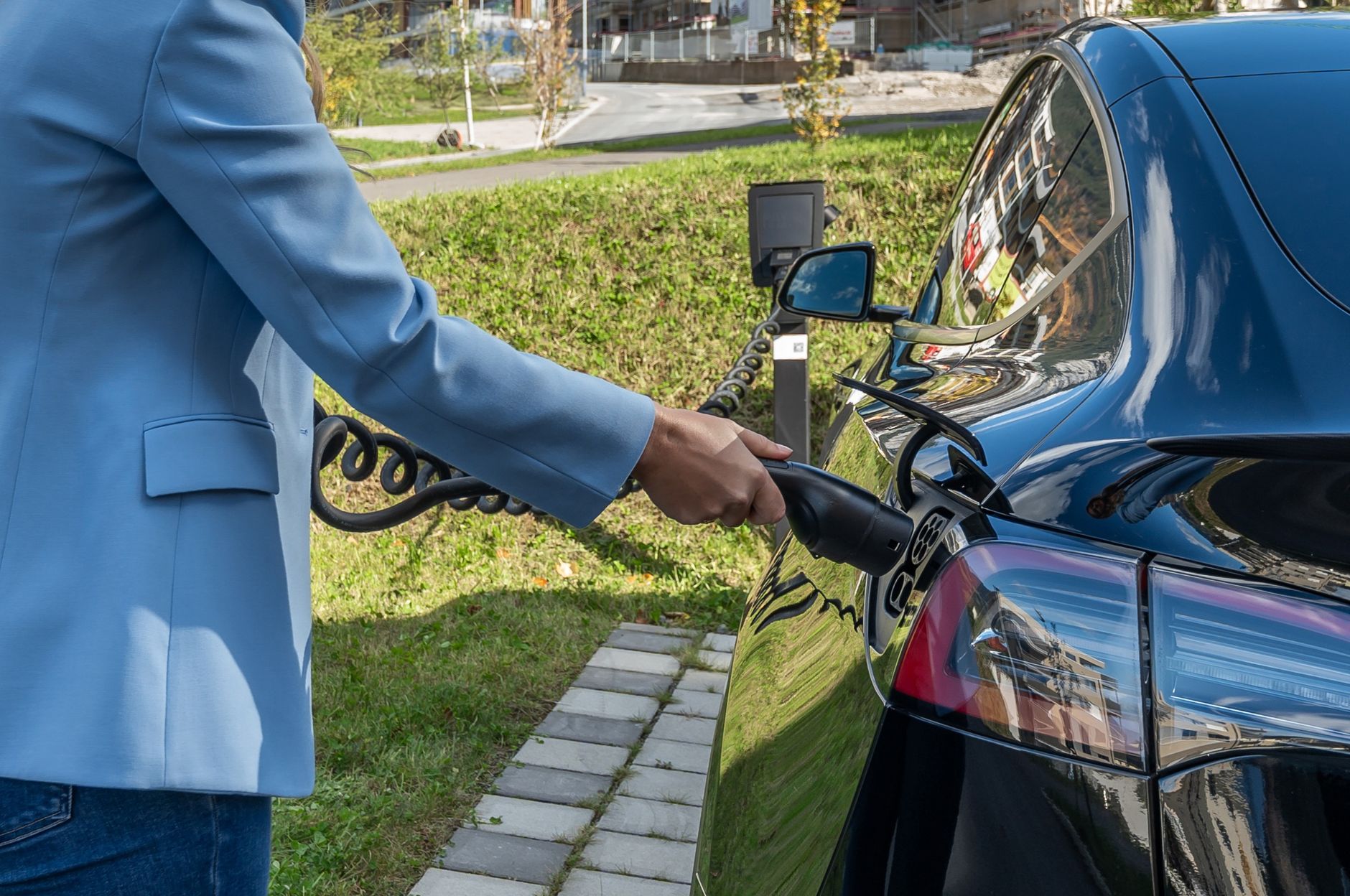
The global electric vehicle landscape has reached another pivotal milestone as Chinese automotive giant BYD officially unveiled the third-generation Tang electric SUV. Positioned as a landmark release in the rapidly evolving premium EV market, the newly revealed vehicle combines an extraordinary single-charge driving range of up to 850 kilometers with next-generation ultra-fast charging capable of replenishing battery reserves in as little as five minutes. Coupled with an array of premium luxury cabin features and advanced onboard electronics, the third-generation Tang aims to establish a new benchmark for family-sized zero-emission SUVs.
As global transition toward sustainable mobility gathers pace, vehicle manufacturers face continuous pressure to overcome consumer hesitation regarding driving distance and recharging downtime. With the official introduction of the new Tang SUV, BYD directly targets these traditional pain points. While detailed technical documentation and regional market breakdowns remain subject to upcoming commercial releases, the initial reveal highlights a significant technological leap that bridges the operational gap between traditional internal combustion engines and modern battery-electric platforms.
Decoding the Third-Gen BYD Tang: Key Highlights and Breakthroughs
The third iteration of the Tang platform reflects BYD’s aggressive research and development strategy, integrating advancements across energy density, power management, and vehicle architecture. The newly announced model builds on the success of its predecessors while dramatically upgrading core performance metrics.
The 850km Driving Range Claim
At the heart of the new Tang’s headline specifications is its reported 850-kilometer driving range. Achieving such an extended range in a full-sized SUV demands notable efficiency across energy storage and consumption. Although official homologation cycles vary across international regulatory bodies—such as China's CLTC, Europe's WLTP, or the EPA standards in the United States—an 850km rating places the vehicle among the highest-capacity family SUVs currently announced in the market.
This extended distance suggests significant optimizations in battery chemistry and pack packaging, alongside aggressive aerodynamic refinements to reduce drag at high speeds. Reducing energy loss through friction, weight optimization, and advanced climate-control management plays an equal role in maintaining efficiency across diverse driving environments.
Five-Minute Ultra-Fast Charging Architecture
Perhaps the most disruptive feature revealed for the third-generation Tang is its five-minute ultra-fast charging capability. Recharging an electric vehicle within a timeframe comparable to filling a gas tank at a conventional service station has long been considered the holy grail of EV engineering.
To support five-minute fast charging, the vehicle relies on high-power charging platforms and high-current electrical systems capable of delivering vast amounts of energy without causing destructive heat buildup. Advanced thermal management circuits work continuously during peak power intake to safeguard individual cells and prevent thermal degradation.
Luxury-Car Tech and Cabin Sophistication
Beyond raw powertrain metrics, BYD has equipped the third-generation Tang with luxury-tier interior technology designed to compete with high-end European and North American rivals. The cabin features modern digital interfaces, elevated upholstery materials, intelligent driver assistance suites, and enhanced sound isolation.
The integration of central computing architectures allows the vehicle to manage complex infotainment demands alongside safety-critical sensors, offering an immersive digital environment for both drivers and passengers.
Technical Analysis: Powertrains, Efficiency, and Charging Dynamics
To contextualize the achievements of the third-generation Tang, it is helpful to examine the general engineering principles that enable high-range, rapid-charging electric vehicles. While proprietary specifics remain closely held by manufacturers, industry trends illustrate how these capabilities are realized in practice.
Achieving extreme charging speeds requires elevated system voltages—often transitioning from legacy 400-volt architectures to 800-volt or higher platforms. Higher operating voltages allow energy to transfer at lower electrical currents, which in turn reduces resistive heat generation across cables, connectors, and internal battery cells.
Complementing the high-voltage architecture is the efficiency of the electric drive units themselves. Modern electric drive systems combine motors, inverters, and gearboxes into highly integrated assemblies. To explore how motor design impacts overall vehicle range and efficiency, read our detailed analysis on Electric Vehicle Motor Technology: Types, Innovations, and Future Trends.
Key technical components contributing to these performance leaps generally include:
- High-Density Cell Formations: Optimized chemical compositions that store more kilowatt-hours per kilogram of pack mass.
- Direct-to-Pack Integration: Structural designs that eliminate intermediate module housing, maximizing internal space for active energy storage.
- Active Liquid Cooling Networks: Multichannel cooling plates that rapidly channel heat away from cell terminals during high-amp charging sessions.
- Silicon Carbide Inverters: Semiconductor power electronics that reduce switching energy losses and improve total drive-cycle efficiency.
Real-World Use Cases and Practical Benefits
The combination of an 850km driving range and five-minute charging potential introduces substantial real-world advantages for everyday drivers and long-distance travelers alike.
Eliminating Intercity Range Anxiety
For drivers who frequently travel long distances between cities, range anxiety remains a key psychological barrier. An 850km maximum range allows commuters and families to complete multi-state trips or extensive regional travel without needing to plan around frequent charging stops. Even under adverse real-world conditions—such as cold winter climates or sustained highway cruising—the remaining battery margin provides high confidence.
Refueling Parity for Urban and Rural Drivers
A five-minute rapid charging capability redefines the operational routine for EV owners. Drivers who lack dedicated home charging infrastructure, such as apartment residents or urban street parkers, can rely on public charging hubs without spending 30 to 60 minutes waiting for a battery boost. A five-minute pit stop integrates seamlessly into traditional routines, matching the convenience of fossil-fuel refueling.
Intelligent Cabin and Autonomous Support
The inclusion of luxury technology extends beyond high-end materials to include advanced software capabilities. Modern digital cockpits use central artificial intelligence chips to assist with predictive navigation, energy management, and active safety monitoring. For a broader overview of how smart systems are transforming consumer technology, explore the Top AI Technology Trends to Watch in 2026: The Next Frontier of Intelligence.
Limitations, Infrastructure Challenges, and Potential Risks
While the initial reveal of the third-generation Tang presents a compelling vision for the future of mobility, several practical challenges and engineering trade-offs must be evaluated.
Grid Infrastructure Dependencies
A headline feature like five-minute charging cannot function in isolation; it requires physical infrastructure capable of delivering extremely high power outputs. Standard public chargers operating at 50kW or 150kW cannot deliver a full charge in five minutes to a high-capacity SUV battery. Utilizing the full capability of the new Tang requires access to ultra-fast megawatt-class charging networks, which remain limited in deployment across many international markets.
Testing Standards vs. Real-World Range
Consumer performance varies depending on environmental conditions, passenger loads, driving style, and terrain. Range figures reported under optimistic laboratory cycles may not translate directly to real-world highway driving at high speeds with active climate control. Buyers must account for these variables when evaluating real-world range expectations.
Battery Longevity and Thermal Stress
Rapidly transferring massive amounts of electrical energy generates thermal stress inside battery cells. Although BYD has developed advanced thermal management software, frequent reliance on high-speed charging can accelerate cell aging over time compared to slow AC charging at home. Managing thermal health over years of ownership remains a critical engineering task.
| Feature Category | Claimed Specification / Tech Focus | Practical Engineering Consideration |
|---|---|---|
| Maximum Driving Range | Up to 850 km | Varies based on drive cycle, speed, and ambient temperature. |
| Charging Performance | 5-minute rapid charge capability | Requires compatible high-power ultra-fast charging stations. |
| Vehicle Architecture | Third-generation Tang platform | Features high-voltage electronics and structural battery integration. |
| Interior & Electronics | Luxury-car cabin suite | Relies on centralized AI processing and digital cockpits. |
Industry Impact and Future Outlook
The announcement of the third-generation Tang highlights the escalating pace of competition within the global EV market. By bringing high-end specifications—previously reserved for ultra-luxury or niche flagship vehicles—into a mainstream family SUV, BYD puts additional pressure on legacy automakers and pure-play EV competitors.
As manufacturers push battery density and charging speeds further, the distinction between luxury and mainstream electric vehicles is increasingly defined by software integration, cabin refinement, and charging infrastructure access. If ultra-fast charging becomes the industry standard, consumer adoption curves could accelerate significantly over the coming decade.
Moving forward, the global success of vehicles like the third-generation Tang will depend heavily on international distribution networks, regional homologation results, local tax incentives, and the expansion of high-output charging networks across key markets.
Conclusion
BYD’s third-generation Tang electric SUV represents a significant statement of intent in the global automotive sector. By pairing a reported 850-kilometer driving range with groundbreaking five-minute fast-charging technology and a suite of luxury features, the new Tang directly addresses the structural limitations that have historically hindered widespread EV adoption. While real-world performance will depend on regional charging infrastructure and environmental variables, the revealed platform underlines the rapid pace of technological innovation driving the modern electric vehicle market.
Frequently Asked Questions (FAQ)
What is the reported driving range of the new BYD Tang SUV?
The third-generation BYD Tang features an announced driving range of up to 850 kilometers on a single full charge, depending on specific regulatory testing standards and vehicle configurations.
How fast can the third-generation Tang charge?
According to the reveal details, the new Tang platform supports ultra-fast charging technologies capable of replenishing battery capacity in as little as five minutes when connected to compatible high-power charging infrastructure.
Does the new Tang require special charging stations to achieve 5-minute charging?
Yes. Delivering a substantial charge in five minutes requires ultra-fast, high-power charging stations capable of supplying very high voltage and current outputs. On standard public or home chargers, charging times will be longer.
What luxury features are included in the third-generation BYD Tang?
The vehicle features a luxury-oriented cabin suite that includes high-grade interior materials, advanced digital displays, intelligent driver assistance electronics, and enhanced acoustic insulation for a quiet ride.
When was the third-generation BYD Tang revealed?
The third-generation BYD Tang SUV was officially revealed in late August 2026, marking the latest update to BYD's flagship electric SUV lineup.