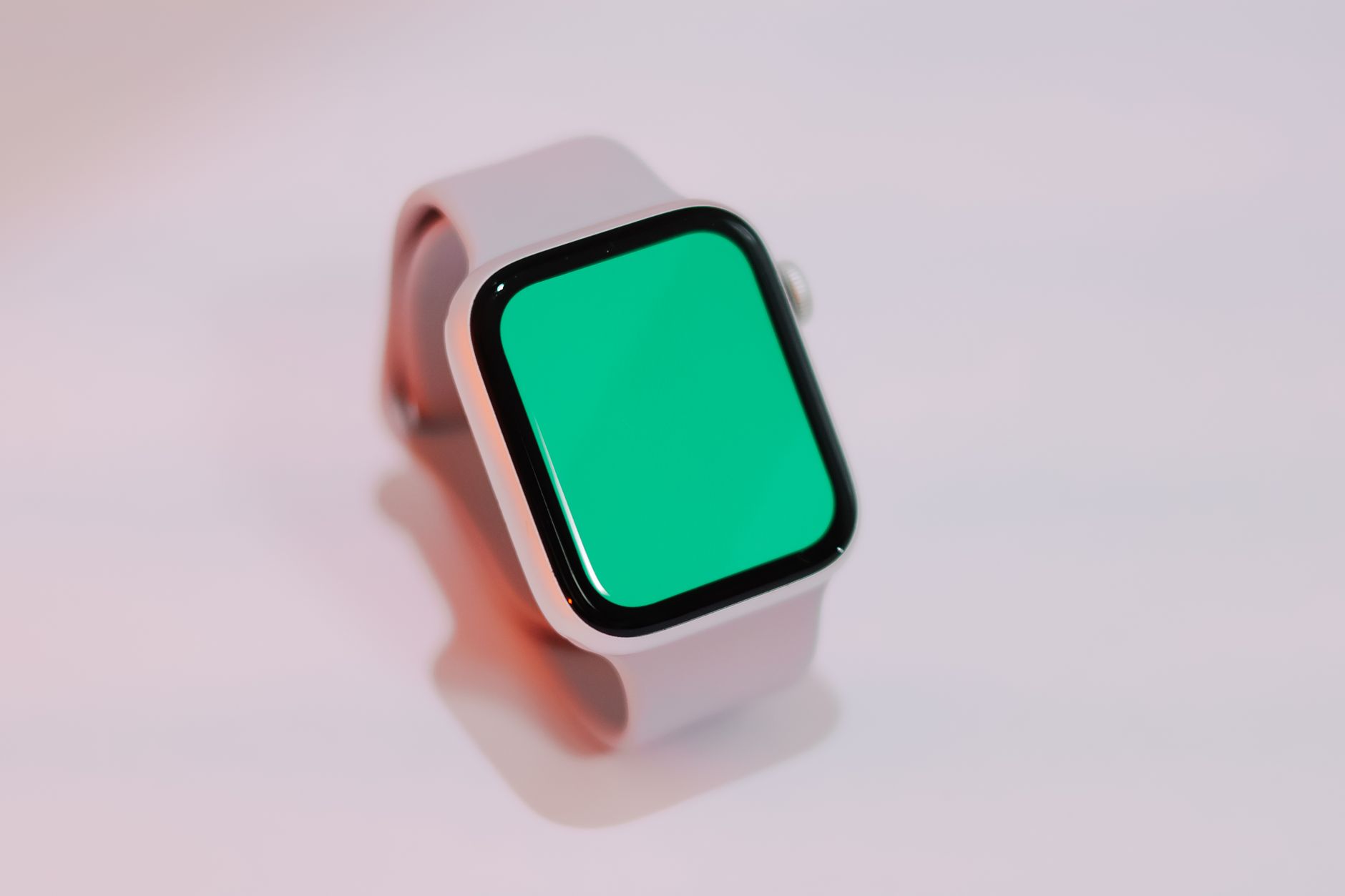
When consumers invest in high-end wristwear, expectations often vary wildly based on whether the device runs on mechanical gears or microprocessors. A recent report from Athletech News highlights a stark reality facing technology consumers: smartwatches simply do not retain their value like traditional luxury timepieces. While mechanical luxury watches from prestigious horological houses can appreciate or maintain substantial residual value over decades, modern wearables follow the rapid depreciation curves typical of consumer electronics like smartphones, tablets, and laptops.
However, the secondary market for wrist-worn technology is far from uniform. While virtually all smartwatches experience steep value drop-offs compared to classic mechanical watches, certain brands and product categories perform markedly better than others. Understanding these valuation dynamics is essential for buyers looking to maximize their trade-in returns, upgrade efficiently, or make informed purchasing decisions in the rapidly evolving wearable tech landscape.
The Fundamental Divide: Silicon vs. Springs
To understand why smartwatches lose monetary value so quickly compared to luxury mechanical pieces, one must examine the core differences in construction, lifespan, and fundamental utility between digital devices and traditional horology.
Rapid Hardware and Software Obsolescence
A classic mechanical watch relies on intricate micro-engineering—springs, gears, levers, and jewels—that can function for generations with periodic servicing. Because its value is rooted in craftsmanship, heritage, brand prestige, and material scarcity, time does not inherently degrade its core functionality.
Smartwatches, by contrast, are fundamentally miniature computers. They rely on microprocessors, display panels, wireless radios, and onboard sensors. Technology advances rapidly year over year, rendering older hardware components underpowered for new software features. Operating system updates eventually drop support for older generations, turning once-cutting-edge wristwear into functionally limited accessories. Once a device can no longer receive security patches or run updated companion applications, its secondary market value plummets.
Battery Degradation as a Hard Expiration Date
Unlike mechanical timepieces that can be cleaned and re-oiled indefinitely, smartwatches rely on integrated lithium-ion batteries. Lithium-ion chemistry inevitably degrades with every charge cycle. After two to four years of daily charging, maximum battery capacity drops significantly, noticeably reducing daily uptime.
Because replacing the tiny, sealed battery in many modern smartwatches is economically impractical or technically difficult, battery wear acts as a functional ceiling on device longevity. Used buyers are acutely aware of battery health, leading to steep discounts on pre-owned devices that cannot guarantee all-day battery performance.
How Wearable Brands Compare in Secondary Market Value
While the overall depreciation trend affects the entire category, the resale landscape reveals notable distinctions between mass-market consumer tech brands, specialized outdoor fitness devices, and luxury hybrid timepieces.
Mass-Market Consumer Wearables
In the mainstream consumer space, ecosystem dominance plays a massive role in resale performance. Market leader products—most notably the Apple Watch series—tend to retain higher residual percentage value compared to generic mass-market Android wearables. Strong brand affinity, active official trade-in programs, robust secondary trading platforms, and guaranteed long-term software support help sustain demand for pre-owned units.
By comparison, mid-tier consumer fitness bands and budget smartwatches suffer the steepest depreciation. High production volumes, frequent iteration cycles, and low entry prices mean used buyers have little incentive to purchase pre-owned budget models when brand-new alternatives are readily available for minimal cost differences.
Specialized Fitness and Outdoor GPS Watches
Brands specializing in endurance, sports performance, and outdoor navigation—such as Garmin, Suunto, and Polar—frequently display better value retention than general-purpose consumer smartwatches. Several factors contribute to this resilience:
- Targeted Utility Over Hype: Outdoor and multisport enthusiasts prioritize accurate GPS tracking, long battery life, specialized training metrics, and physical durability over flashy screen upgrades or frequent design changes.
- Slower Hardware Refresh Cycles: Specialized performance lines are updated less frequently than mainstream consumer gadgets, giving existing models a longer period of top-tier relevance.
- Rugged Construction: Built with titanium, sapphire crystal, and reinforced polymers, these devices resist physical wear and tear better, making them far more presentable and functional in the secondary market after years of active use.
Luxury Hybrid and Designer Smartwatches
Traditional Swiss watchmakers and high-fashion labels have attempted to bridge the gap by producing luxury smartwatches housed in premium materials like grade-5 titanium, ceramic, and precious metals. While these pieces command eye-watering retail prices, they often suffer some of the harshest depreciation rates in the luxury segment.
A high-end casing cannot insulate internal microchips from technological obsolescence. Within a few years, the internal technology becomes outdated, leaving buyers with expensive cases powered by slow, unsupported silicon. Recognizing this challenge, some luxury houses have experimented with modular designs—allowing owners to swap digital modules for traditional mechanical movements—to preserve the longevity of their investment.
Practical Real-World Use Cases and Trade-In Scenarios
Understanding resale value helps consumers navigate real-world ownership scenarios, balancing functionality with financial practicality.
Upgrading Every Generation vs. Long-Term Wear
For tech enthusiasts who insist on having the newest sensors and brighter displays, annual or biennial trade-ins represent the most cost-effective path. By selling or trading in a smartwatch while it remains in active software support and possesses healthy battery capacity, users offset a significant portion of the cost of the next model.
Conversely, users who wear a single device until it dies financially write off the initial purchase entirely. In this scenario, evaluating purchase price per day of utility yields a clearer picture of value than secondary market resale potential.
The Endurance Athlete's Resale Experience
Consider a marathon runner or triathlon athlete who purchases a premium multisport GPS watch. Because the device features a rugged build and specialized navigation maps, its core utility remains unchanged even after a new generation launches. When the athlete eventually decides to upgrade after three years, the device still commands healthy interest on peer-to-peer endurance sports forums, where practical tracking capabilities matter more than cosmetic trends.
Benefits and Strategic Advantages of Smartwatches Over Mechanical Watches
Despite their inferior resale performance, smartwatches offer functional advantages that traditional luxury watches simply cannot match:
- Comprehensive Health Tracking: Continuous heart rate monitoring, electrocardiograms (ECG), blood oxygen sensing, and sleep stage tracking empower users to monitor vital health indicators in real time.
- Safety and Emergency Features: Integrated fall detection, crash detection, and cellular SOS functionality provide critical peace of mind for solo outdoor adventurers and older adults.
- Dynamic Utility: From contactless payments and turn-by-turn navigation to music streaming and instant notification management, a smartwatch adapts to daily routines in ways a mechanical movement cannot.
- Athletic Training Optimization: Real-time feedback on training load, heart rate variability (HRV), recovery status, and personalized workouts helps athletes optimize physical performance.
Limitations, Risks, and Residual Value Drivers
Prospective buyers looking to preserve as much secondary value as possible must remain mindful of the key factors driving rapid value loss:
- Cosmetic Condition: Scratched displays and scuffed bezels dramatically reduce trade-in values. Utilizing screen protectors and protective cases significantly aids resale potential.
- Included Accessories: Retaining original packaging, OEM charging cables, and official watch bands directly boosts buyer confidence on secondary marketplaces.
- Proprietary Ecosystem Lock-in: Devices tied strictly to one smartphone operating system have a smaller prospective buyer pool on the used market compared to platform-agnostic wearables.
- Irreplaceable Batteries: Sealed designs make DIY battery replacements nearly impossible, meaning severely degraded batteries render devices virtually unsellable except for parts.
Future Outlook: Modular Tech, Sustainable Silicon, and Extended Lifespans
The wearable industry is gradually recognizing consumer frustration with short product lifecycles and rapid depreciation. In response, manufacturers are exploring strategic shifts to extend device usefulness and bolster resale value.
Advances in silicon efficiency are playing a crucial role. Highly efficient process nodes allow microprocessors to perform complex health analysis while consuming far less power, putting less strain on lithium batteries over time. As discussed in recent industry updates regarding advanced semiconductor manufacturing, smaller silicon nodes enable better energy conservation, directly extending the operational lifespan of compact battery-powered devices.
Furthermore, regulatory pressures surrounding right-to-repair initiatives and e-waste reduction may force smartwatch makers to adopt modular designs, simplified battery replacement procedures, and extended software support windows. If future smartwatches allow quick battery swaps and guarantee six to eight years of OS support, residual values on the secondary market could stabilize significantly.
Frequently Asked Questions
Do smartwatches make good financial investments?
No. Smartwatches are consumer electronics designed for utility rather than wealth preservation. Unlike rare luxury mechanical timepieces that can appreciate over time, smartwatches lose value rapidly due to software updates, hardware iterations, and battery degradation.
Which smartwatch brand holds its value best on the resale market?
Generally, top-tier consumer devices like the Apple Watch series retain higher residual percentage value among mainstream wearables due to active trade-in programs and strong brand demand. Meanwhile, specialized outdoor and multisport brands like Garmin retain solid value among athletic communities due to their durability and focused feature sets.
Why do luxury mechanical watches retain or gain value compared to smartwatches?
Luxury mechanical watches are produced in limited quantities using high-end materials and skilled craftsmanship. They contain no electronic components that become obsolete, require no software updates, and can be serviced continuously for decades, preserving their aesthetic and functional appeal.
How does battery health affect a used smartwatch's trade-in price?
Battery health is a primary driver of pre-owned value. Because smartwatch batteries are difficult and costly to replace, a device with severe battery degradation will see significant discounts or lower trade-in offers compared to one maintaining near-peak capacity.
What steps can users take to maximize their smartwatch's resale value?
To retain maximum resale value, keep the watch face protected with screen covers, avoid deep scratches on the casing, preserve original packaging and charging accessories, practice healthy charging habits to protect the battery, and sell or trade in the device before official software support ends.
Conclusion
While smartwatches will likely never match mechanical timepieces as long-term financial assets, viewing them strictly through the lens of resale value misses their core value proposition. Wearable technology delivers immediate, personal utility through continuous health monitoring, fitness tracking, and digital connectivity—benefits no traditional balance wheel or mainspring can offer. By understanding market depreciation trends, choosing brands with robust trade-in ecosystems or specialized longevity, and taking proper care of hardware and battery health, consumers can enjoy modern wrist tech while minimizing the financial impact of tech obsolescence.