 |
| Apple watch series |
Apple Expands Personal Tech Lineup with Watch Series 12, Ultra 4, and AirPods 5
Apple has officially expanded its personal technology portfolio with the announcement of three major device updates: the Apple Watch Series 12, the flagship Apple Watch Ultra 4, and the next-generation AirPods 5. The release represents a synchronized iteration across Apple's primary audio and wearable categories, reinforcing the company's strategy of deep ecosystem integration, hardware refinement, and wellness tracking.
As consumer demand for intelligent personal health monitoring and seamless audio experiences continues to grow, this latest launch targets both daily mainstream users and high-end outdoor enthusiasts. While detailed regional configurations and specific promotional bundles are rolling out through official retail channels, the unveiling sets the stage for late 2026 consumer tech upgrades. Below, we break down the context around these announcements, analyze what each device family represents, examine industry trade-offs, and address common consumer questions.
Confirmed Launch Overview: What Has Been Announced
The announcement confirms updates across two core product lines: wrist-worn wearables and personal wireless audio. Specifically, the lineup includes:
- Apple Watch Series 12: The newest generation of Apple's flagship mainstream smartwatch line.
- Apple Watch Ultra 4: The fourth-generation rugged smartwatch engineered for extreme environments, outdoor performance, and extended operational endurance.
- AirPods 5: The latest update to Apple's standard personal wireless earbuds category.
These product lines reflect Apple's established release cadence, pairing mainstream iterative upgrades with specialized hardware for demanding users. Pricing structures, regional distribution timing, and localized carrier options vary by market, with consumers advised to consult official Apple retail channels and authorized carriers for local pricing details.
Analyzing the Apple Watch Series 12: Mainstream Wearable Refinement
The Apple Watch Series 12 builds upon a long-standing foundation of daily health monitoring, activity tracking, and wrist-based communications. Over successive generations, the standard Apple Watch series has transitioned from a smartphone accessory into an essential wellness dashboard for millions of global users.
Health and Wellness Architecture
In mainstream smartwatches like the Series 12, health metrics remain the primary value proposition. Users typically rely on these devices for real-time heart rate monitoring, activity ring tracking, sleep architecture analysis, and irregular rhythm detection. While specific hardware sensor revisions in the Series 12 follow Apple's iterative design approach, the underlying focus remains consistent: accurate data capture combined with background algorithms that alert users to potential health anomalies.
Advanced health tracking requires significant processing efficiency, closely tied to ongoing progress in mobile silicon architecture. Modern system-in-package (SiP) designs allow health monitoring features to execute continuously without creating unacceptable battery drain. To understand how custom hardware optimization enables these capabilities, explore our context on semiconductor developments and custom chip architectures powering next-generation devices.
Everyday Utility and Design Integration
The standard Series design typically balances screen real estate with lightweight wrist comfort. For standard everyday users—ranging from office professionals to recreational runners—the Series 12 serves as an interface for managing notifications, controlling smart home environments, making contactless payments, and maintaining daily fitness consistency.
Apple Watch Ultra 4: Outdoor Performance and Rugged Engineering
Positioned above the mainstream Series lineup, the Apple Watch Ultra 4 represents the high-end, high-durability tier of Apple's wearable strategy. Designed specifically for endurance athletes, divers, hikers, and field professionals, the Ultra series emphasizes physical resilience, specialized GPS navigation, and enhanced outdoor visibility.
Build Quality and Environmental Resilience
The Ultra 4 retains the core identity established by earlier Ultra generations: lightweight titanium casing, raised edge bezels to protect the display glass from impacts, and oversized controls designed for ease of use while wearing gloves or operating under wet conditions. High-brightness displays are crucial for legibility under direct sunlight, making display efficiency a primary engineering challenge for rugged smartwatches.
Specialized Navigation and Safety Features
Unlike standard wrist wearables, the Ultra line prioritizes specialized location tracking and safety utility. Key use cases include:
- Precision Location Tracking: Dual-frequency GPS processing for precise positioning in dense urban canyons or heavily forested trails.
- Outdoor Safety Systems: Waypoint backtracking, high-decibel emergency sirens, and impact/fall detection triggers.
- Water and Depth Endurance: Submersible capabilities suited for recreational diving and high-velocity water sports.
AirPods 5: Evolving Personal Wireless Audio
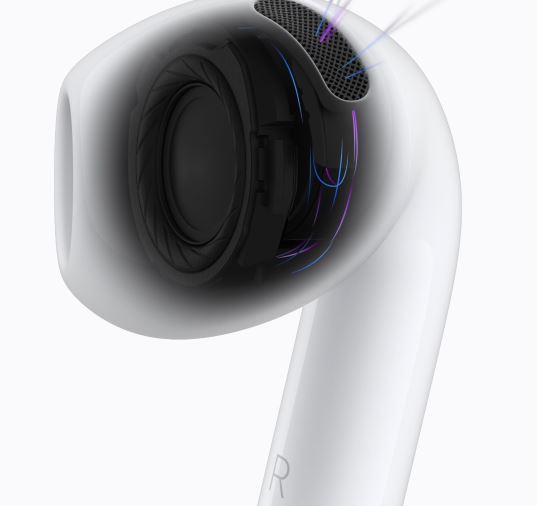
Alongside the smartwatch updates, Apple introduced AirPods 5, updating its standard wireless earbud offering. The AirPods line remains one of the world's most ubiquitous personal audio products, serving as a critical touchpoint for Apple's digital services, media consumption, and voice communications.
Acoustic Architecture and Chip-Driven Audio
Modern wireless audio quality depends heavily on computational audio rather than physical speaker driver size alone. In products like AirPods 5, dedicated audio chips handle real-time spatial audio rendering, dynamic equalization, clear voice isolation during phone calls, and adaptive audio management that adjusts according to ambient background noise levels.
Ergonomics and Daily Battery Management
For standard consumer audio devices, long-term wearing comfort and power management are vital. AirPods 5 continues Apple's push toward compact charging case designs, refined ear-fit geometry, and extended listening times supported by rapid charging protocols in the transport case.
Data Privacy and Security in Personal Connected Hardware
As personal wearables collect increasingly sensitive telemetry—such as continuous heart rate records, precise location logs, and acoustic voice profiles—data protection and device security become imperative considerations for buyers.
Modern smartwatches store sensitive biometrics directly on local secure hardware enclaves, encrypting health data end-to-end when synchronized with cloud services. As digital identity and health records become increasingly interconnected on personal hardware, maintaining robust device-level and platform-level security is essential. Learn more about regional security frameworks and cybersecurity initiatives in our coverage of the GISEC Global Cyber First announcement.
Hardware Innovation and the Ecosystem Landscape
The simultaneous release of Apple Watch Series 12, Ultra 4, and AirPods 5 illustrates how consumer electronics manufacturers rely on hardware ecosystem synergy. An Apple Watch user who also utilizes AirPods benefits from seamless device switching, unified audio notifications, and synchronized health prompts without manual configuration.
This integrated development approach reflects broader technology industry initiatives, where hardware, software, and startup innovations collaborate to build broader digital platforms. Readers interested in tech incubation programs can explore our article on L&T Technology Services launching the FARM initiative to accelerate technology innovation.
Real-World Use Cases: Which Device Fits Which User?
Understanding which product aligns with specific daily requirements helps consumers avoid unnecessary expenditures on features they may not utilize.
Scenario 1: The Daily Commuter and Fitness Enthusiast
Recommended Choice: Apple Watch Series 12 and AirPods 5.
For urban commuters, office workers, and general fitness enthusiasts, the combination of Series 12 and AirPods 5 delivers an optimal balance of weight, functional health tracking, media control, and clear communication tools without the physical bulk of ultra-rugged hardware.
Scenario 2: The Outdoor Athlete and Field Specialist
Recommended Choice: Apple Watch Ultra 4.
For trail runners, mountain bikers, divers, and professionals working in demanding environments, the Ultra 4 provides the structural durability, high-visibility display, extended battery capacity, and specialized GPS capabilities required for off-grid operation.
Benefits, Practical Limitations, and Market Risks
While the new releases bring noticeable technical updates, consumers should weigh both the advantages and potential drawbacks before upgrading.
Key Benefits
- Cohesive Ecosystem Interaction: Instant setup, background synchronization, and effortless switching between Apple hardware devices.
- Comprehensive Health Tracking: Non-invasive background monitoring that provides continuous health baseline visibility.
- High Resale Value: Apple wearables and audio hardware historically maintain stronger secondary market resale value compared to many industry alternatives.
Limitations and Trade-offs
- Platform Lock-in: Apple Watch models require an iPhone for setup and full functional capability, limiting utility for multi-platform or Android smartphone users.
- Incremental Upgrades for Recent Owners: Users owning recent predecessors (such as Series 10/11 or Ultra 2/3) may find the year-over-year feature enhancements incremental rather than essential.
- Premium Pricing Tiers: Premium materials and specialized features place the Ultra series in a higher price bracket compared to standard fitness trackers.
Future Outlook: Where Wearable Tech and Audio Are Headed
The introduction of the Apple Watch Series 12, Ultra 4, and AirPods 5 highlights broader industry trajectories that will shape personal tech over the coming years:
- Proactive Ambient Health Intelligence: Transitioning from passive health record logging toward proactive, AI-assisted health recommendations.
- On-Device Generative Processing: Micro-chips operating local machine learning models directly on smartwatches and earbuds without requiring active cloud connectivity.
- Advanced Environmental Sensing: Deeper integration of atmospheric, depth, and biophysical sensors for specialized athletic and medical applications.
Conclusion
The arrival of the Apple Watch Series 12, Apple Watch Ultra 4, and AirPods 5 strengthens Apple's presence across personal computing, fitness monitoring, and personal audio segments. Whether you are a daily smartwatch user looking to upgrade an older model, an outdoor enthusiast seeking rugged durability, or someone looking for reliable wireless audio, this hardware lineup offers tailored options across distinct use cases. Prospective buyers should evaluate their current device performance, review local official channel pricing, and choose the tier that best matches their operational needs.
Frequently Asked Questions (FAQ)
1. What hardware models were announced in this release?
Apple announced three key hardware product lines: the Apple Watch Series 12, the high-end rugged Apple Watch Ultra 4, and the standard wireless AirPods 5 earbuds.
2. Do I need an iPhone to use the Apple Watch Series 12 or Ultra 4?
Yes, Apple Watch models require an iPhone for initial setup, device configuration, and full platform feature integration, though cellular models can handle standalone calls and data once configured.
3. Who is the primary target audience for the Apple Watch Ultra 4?
The Ultra 4 is designed for endurance athletes, hikers, scuba divers, outdoor enthusiasts, and field workers who require extreme durability, specialized GPS tracking, higher display brightness, and enhanced battery longevity.
4. Can AirPods 5 be paired with non-Apple devices?
Yes, AirPods 5 function as standard Bluetooth audio devices when paired with Android phones, Windows PCs, or other Bluetooth-compatible sources, though ecosystem features like instant setup and spatial audio tracking require Apple host devices.
5. Is it worth upgrading to Series 12 from a recent Apple Watch model?
If you own an immediate predecessor (such as a Series 10 or 11), the upgrade may be incremental. However, users upgrading from older models (Series 7 or earlier) will notice significant improvements in processing performance, display size, charging speed, and health sensor capabilities.