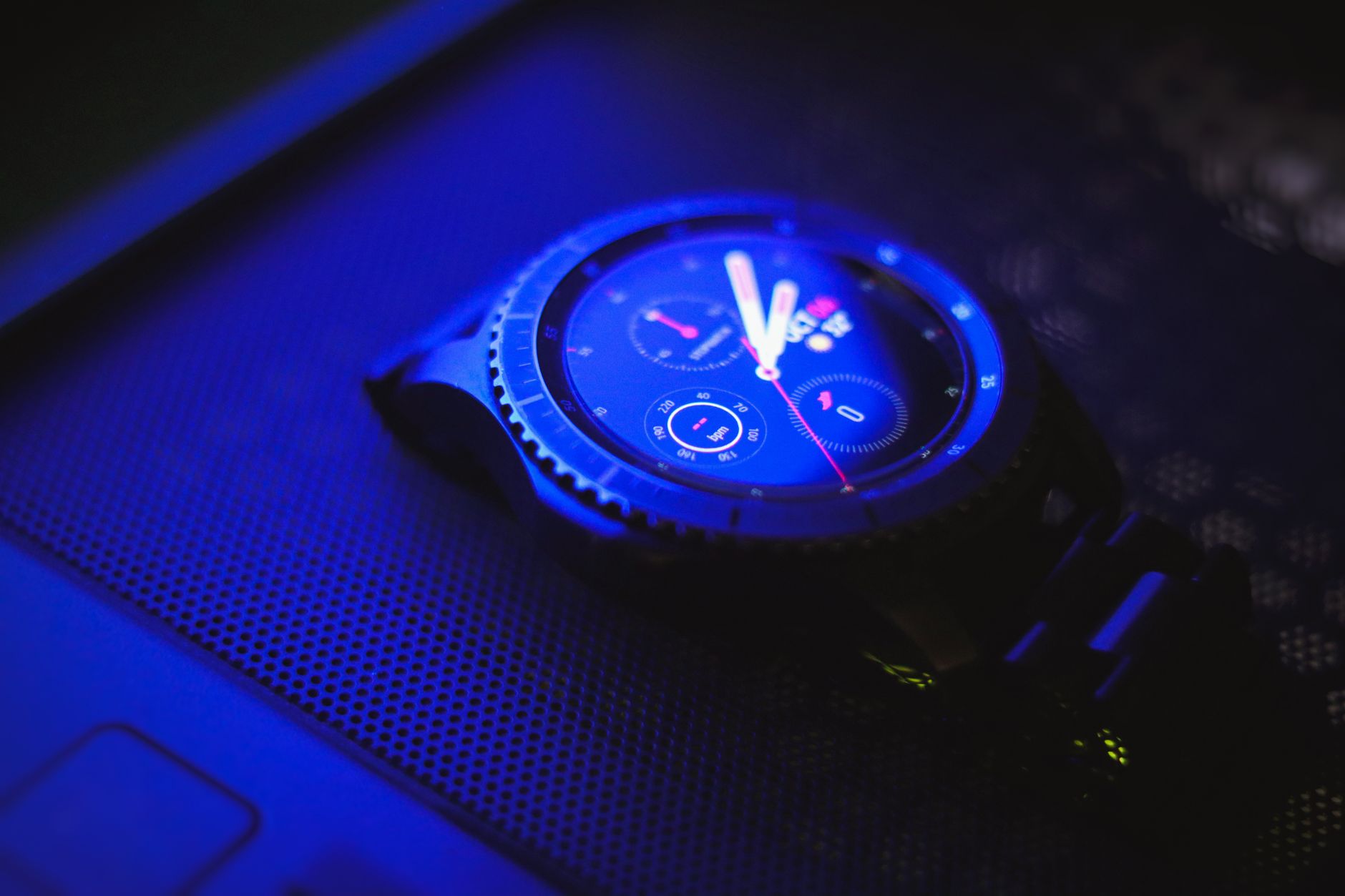
The Evolving Wearable Landscape: Where Amazfit Fits
The global smartwatch market has split into distinct categories. On one end of the spectrum sit high-powered wrist computers offered by major mobile tech giants—devices packed with cellular connectivity, deep operating system integration, and extensive app ecosystems, but often constrained by single-day battery life. On the other end sit simple fitness bands that excel at step counting but offer minimal smartwatch capabilities. Amazfit, developed under Zepp Health, has carved out a substantial market position precisely between these two extremes.
By prioritizing long battery life, health tracking features, vibrant displays, and competitive pricing, Amazfit smartwatches appeal to consumers who want smart functionality without paying premium flagship prices or recharging their watch every night. However, choosing a wearable in this segment requires evaluating the trade-offs. While the value proposition is strong, prospective buyers must balance hardware impressive performance against software and ecosystem constraints. This comprehensive analysis breaks down the major pros and cons of using an Amazfit smartwatch to help consumers determine whether the platform suits their daily routines and tracking needs.
The Key Advantages of Amazfit Smartwatches
Amazfit devices have built a reputation around practical hardware and long-lasting performance. For many users, these benefits address the primary friction points found in more expensive mainstream smartwatches.
Unmatched Battery Endurance
Perhaps the most significant pro of using an Amazfit smartwatch is battery longevity. While flagship devices running full-featured operating systems like watchOS or Wear OS often require daily charging, many Amazfit models can last anywhere from several days to multiple weeks on a single charge, depending on usage patterns and sensor settings.
This extended battery performance changes how users interact with their device. Multiday battery life enables seamless round-the-clock health monitoring, continuous heart rate tracking, and uninterrupted sleep analysis without requiring routine daytime top-ups. For travelers, outdoor enthusiasts, and users who simply dislike maintaining another daily charging routine, this endurance stands out as a decisive advantage.
High-Value Feature Sets at Accessible Price Points
Amazfit has consistently delivered high-end aesthetic designs and solid hardware features at price points significantly below flagship competitors. Many of their devices feature sharp AMOLED displays, lightweight metallic or reinforced polymer frames, built-in GPS tracking, and comprehensive health sensor suites.
Consumers receive features such as continuous blood oxygen (SpO2) monitoring, stress tracking, sleep stage breakdowns, and over one hundred sport modes without paying premium prices. This makes wrist-based health metric tracking accessible to a broader audience that might otherwise be priced out of the wearable tech market.
Robust Health and Fitness Tracking Capabilities
For exercise enthusiasts, Amazfit smartwatches offer comprehensive data collection via the companion Zepp application. The hardware tracks key metrics including heart rate zones, cadence, pace, distance via integrated positioning systems, and recovery scores. Features like personalized activity intelligence (PAI) distill complex physiological data into single actionable scores, giving users clear targets for weekly physical effort.
Additionally, GPS performance across recent Amazfit devices has matured significantly, utilizing multi-band positioning technology to track outdoor runs, cycling routes, and hikes with dependable positional fidelity.
Seamless Cross-Platform Compatibility
Unlike ecosystem-locked smartwatches that bind users to a specific mobile operating system, Amazfit smartwatches work reliably across both Android and iOS devices. The companion Zepp app synchronizes health metrics, notifications, and workout routines regardless of whether it is installed on an iPhone or an Android smartphone. This cross-platform flexibility ensures that if a user switches mobile platforms in the future, their wearable remains fully functional and integrated.
Notable Cons and Limitations of Amazfit Devices
While the hardware value proposition is compelling, prospective buyers should understand the inherent limitations of opting for a fitness-first operating system over a full-fledged smartwatch platform.
Restricted Third-Party App Ecosystem
The primary compromise in using an Amazfit smartwatch involves software extensibility. Unlike platforms backed by massive app stores, the Zepp OS ecosystem offers a much smaller selection of third-party applications. Users looking to download native streaming music apps, complex productivity suites, banking services, or specialized smart home controllers onto their wrist will find fewer options available.
While essential utilities like weather updates, timers, alarms, and basic health widgets come pre-installed, the ability to expand the watch's functionality through downloadable apps remains modest compared to dominant market alternatives.
Limited Interactive Smart Features and Voice Control
Smartwatch interactions on Amazfit devices are primarily oriented around notifications rather than deep, interactive two-way communication. While users can receive calls, read notifications, and send quick canned replies on selected models (primarily when paired with Android devices), deep notification interactivity is limited. Voice assistant capabilities may also rely on offline voice commands or cloud-based assistants that lack the deep system control found on native platform watches.
For users who want to dictate detailed email responses, conduct long phone conversations directly from their wrist, or manage complex tasks on the go, an Amazfit device may feel more like a smart fitness tracker than a standalone wrist computer.
Variation in Sensor Accuracy and Algorithmic Polish
While Amazfit smartwatches offer a broad array of health tracking sensors, sensor accuracy can vary across different exercise types, skin tones, and motion intensities. While steady-state cardio tracking (like treadmill walking or steady outdoor running) is generally reliable, rapid wrist movements during high-intensity interval training (HIIT) or heavy weightlifting can occasionally cause sensor latency or metric fluctuations.
Furthermore, while the software provides extensive data points, the companion app's algorithmic interpretation and data visualization may not always offer the same level of physiological depth as specialized athletic platforms or medical-grade equipment. Users requiring extreme precision for competitive training may need to compare data against dedicated chest straps or high-end sports watches.
Software Support and Long-Term Ecosystem Nuances
Because Amazfit frequently releases new hardware iterations across various product lines, software update lifecycles for older models can vary. While core functionality remains stable, legacy devices may not always receive major new Zepp OS system features introduced in newer generations. Buyers looking for guaranteed multi-year platform upgrades should factor this release cycle into their purchasing decisions.
Practical Use Cases and Ideal User Profiles
Understanding the strengths and drawbacks of Amazfit smartwatches helps clarify which types of users benefit most from these devices in daily life.
Outdoor Athletes and Endurance Runners
For individuals who run marathons, take multi-day hiking trips, or engage in outdoor workouts, battery life and GPS tracking are paramount. An Amazfit watch can track hours of continuous GPS activity without depleting its battery mid-workout, making it a dependable companion for long sessions where daily charging is impractical.
Budget-Conscious Buyers Seeking Long Battery Life
Consumers who want to monitor their sleep, steps, heart rate, and daily notifications without committing to high hardware prices or daily charging schedules will find Amazfit devices uniquely suitable. The low maintenance requirement—charging the device once or twice a month depending on the model—fits seamlessly into busy lifestyles.
Individuals Seeking Balance in Mobile Connectivity
As personal technology expands, many users actively seek ways to stay informed without becoming constantly distracted by wrist-based notifications. The rise of portable technology raises important questions regarding technology liberation or enslavement in modern digital work environments. An Amazfit device offers a balanced middle ground: it provides vital health metrics and basic notifications without overwhelming the wearer with endless app interactions, continuous messaging threads, or complex digital distractions.
Amazfit vs. Wear OS and watchOS: A Strategic Comparison
To understand whether an Amazfit smartwatch fits your daily requirements, it helps to analyze how it compares directly with mainstream smartwatch platforms.
- Battery Life: Amazfit easily outperforms most flagship smartwatches, lasting days or weeks compared to 18 to 48 hours on standard Wear OS or watchOS devices.
- App Ecosystem: Major platform watches offer deep app store integrations with thousands of native apps, whereas Amazfit provides a lightweight OS focused on built-in utilities and essential metrics.
- Pricing: Amazfit devices frequently deliver high-end hardware materials (AMOLED screens, aluminum or stainless steel frames) at a fraction of the cost of flagship alternatives.
- Interactivity: Premium platform smartwatches allow rich messaging, keyboard input, voice calls, and deep ecosystem syncing. Amazfit focuses primarily on notification delivery and fitness monitoring.
Future Outlook for Wearable Tech and Mid-Tier Smartwatches
The mid-tier smartwatch market is evolving rapidly. As sensor technology becomes smaller, more efficient, and cheaper to produce, manufacturers like Amazfit are closing the gap in sensor accuracy and build quality. The future of mid-range wearables lies in advanced software analytics, artificial intelligence health insights, and longer battery endurance through micro-display enhancements and ultra-low-power processors.
As competition intensifies across the global wearable market, consumers stand to benefit from better build quality, refined software interfaces, and broader health tracking features without a proportional rise in device cost.
Final Verdict: Is an Amazfit Smartwatch Worth It?
An Amazfit smartwatch offers an exceptional balance of multi-day battery life, comprehensive fitness tracking features, sleek designs, and strong value for money. For users who prioritize physical health monitoring, battery endurance, cross-platform phone support, and budget accessibility, the pros far outweigh the cons.
However, users looking for a full mini-smartphone experience on their wrist—complete with extensive third-party apps, advanced voice controls, and rich messaging interactivity—may find the software ecosystem limiting. Assessing your personal daily priorities, notification needs, and charging habits will determine whether an Amazfit smartwatch is the ideal wrist companion for your lifestyle.
Frequently Asked Questions (FAQs)
1. Are Amazfit smartwatches compatible with both iPhone and Android?
Yes. Amazfit smartwatches connect via Bluetooth using the Zepp application, which is available on both iOS and Android platforms. Most core features, including health tracking, activity monitoring, and notification alerts, function across both operating systems.
2. How long does the battery typically last on an Amazfit smartwatch?
Depending on the specific model, screen settings, and sensor frequency, Amazfit smartwatches generally last between 5 days to over 20 days on a single charge under standard usage conditions.
3. Can Amazfit smartwatches make phone calls and reply to texts?
Selected Amazfit models equipped with built-in microphones and speakers support Bluetooth phone calls when connected to a smartphone. Text reply capabilities are typically limited to pre-set quick responses on supported Android devices, while iOS interactions are generally restricted to viewing incoming notifications.
4. Is an Amazfit smartwatch accurate for tracking sleep and workouts?
Amazfit devices provide consistent heart rate, sleep stage, and GPS tracking for general fitness enthusiasts and daily health monitoring. While accurate for everyday workouts and cardio sessions, professional athletes needing medical-grade precision may prefer specialized athletic sensors or chest straps.
5. Do Amazfit smartwatches require a paid monthly subscription?
No. Basic device operation, fitness tracking, sleep logging, notification mirroring, and health metrics viewing within the Zepp application do not require a mandatory monthly subscription. Some optional advanced AI health coaching services within the app may offer optional paid tiers, but core functionality remains free.