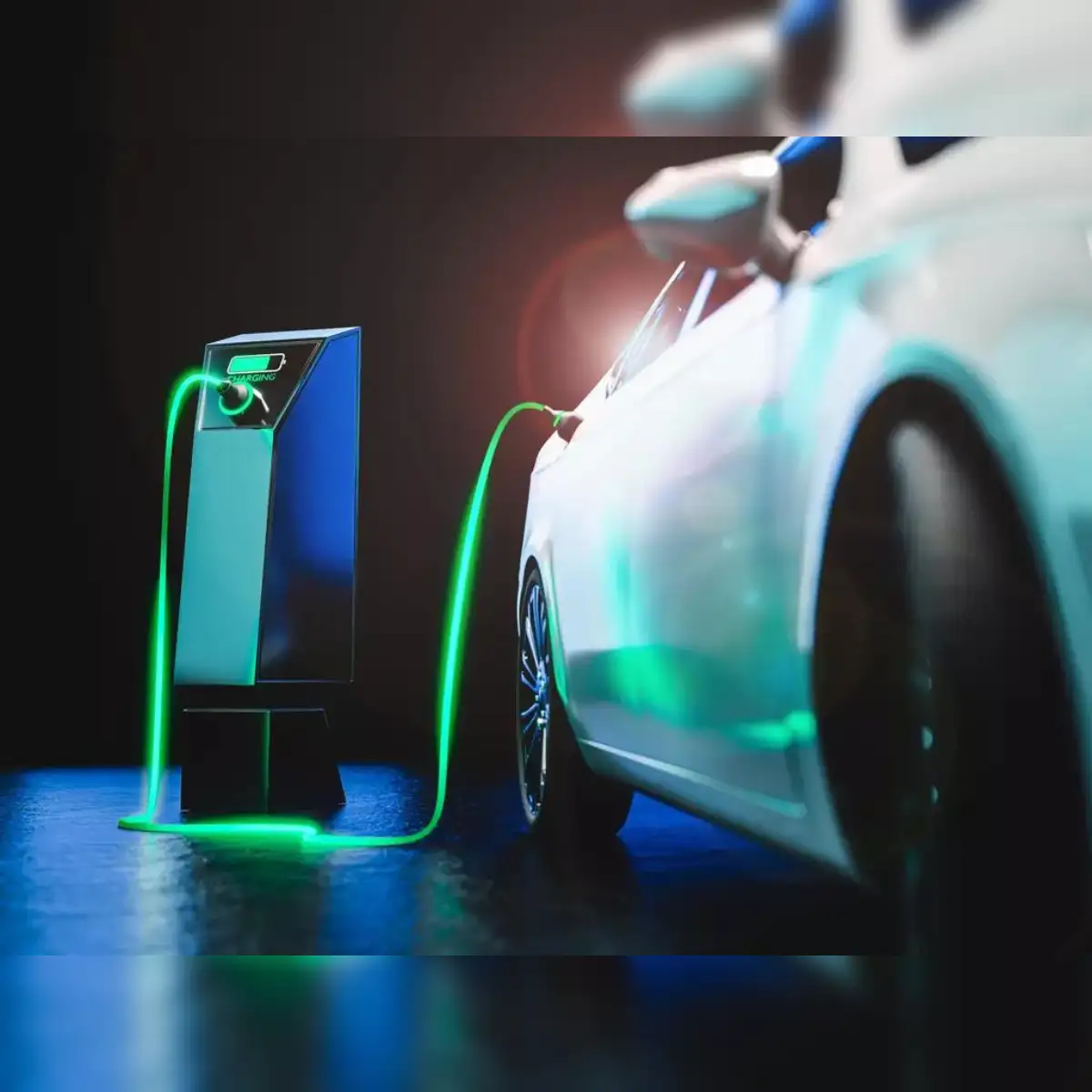
The global transition toward sustainable transportation is entering a new phase of maturity. While the early wave of electric vehicle (EV) adoption was largely spearheaded by retail early adopters and government subsidies for mass-market cars, the next decade of growth is set to be shaped by premium fleet demand. According to market research intelligence from IndexBox in their Luxury Electric Vehicle EV Market Forecast 2026-2035, the luxury EV segment is poised for significant expansion, propelled primarily by commercial operators, corporate travel providers, luxury mobility platforms, and high-end fleet managers.
This shift represents a fundamental transformation in how luxury vehicles are purchased, operated, and integrated into modern transportation ecosystems. High-end electric vehicles are no longer merely personal status symbols; they are increasingly treated as critical high-yield assets for premium fleet fleets requiring zero emissions, high reliability, cutting-edge infotainment, and exceptional passenger comfort. In this analysis, we examine the technical, economic, and strategic drivers underlying the 2026–2035 outlook for luxury electric vehicles.
Understanding the Market Shift: Retail vs. Premium Fleet Demand
Traditionally, the luxury automotive segment relied on direct consumer sales, leases, and bespoke customization for individual buyers. However, market intelligence published by IndexBox highlights that premium fleet operators are becoming a primary engine for sector expansion across the 2026–2035 forecast window. Premium fleets include luxury chauffeur services, executive ride-hailing networks, high-end rental car operators, corporate vehicle pools for executives, and private hospitality shuttles.
Several macroeconomic and technical factors explain why commercial fleet demand is overtaking individual consumer purchases as a growth catalyst:
- High Asset Utilization: Fleet operators run vehicles for significantly more miles per year than individual retail owners, allowing them to amortize the higher upfront purchase price of luxury EVs through lower per-mile operational costs.
- Corporate ESG Mandates: Multinational corporations and luxury brands are bound by strict Environmental, Social, and Governance (ESG) targets. Electrifying executive transport is one of the most visible ways to demonstrate decarbonization efforts.
- Total Cost of Ownership (TCO) Optimization: Electricity costs, predictive maintenance enabled by connected vehicle telematics, and longer component lifespans make luxury EVs increasingly competitive against internal combustion engine (ICE) alternatives over extended operational lifespans.
Understanding these shifts requires applying advanced market intelligence framework tools. Industry analysts regularly leverage understanding supply and demand analytics to track how shifting buyer personas impact raw material requirements, manufacturing volumes, and secondary market valuations.
Core Technological Innovations Driving Luxury EV Adoption
The acceleration of luxury EV fleet orders is directly linked to rapid hardware and software engineering improvements. Fleet managers demand high uptime, rapid turnaround times, and flawless passenger experiences, driving vehicle manufacturers to introduce several technical advancements.
1. High-Voltage Architectures and Rapid Charging Capabilities
Time spent at a charging station represents lost revenue for a fleet operator. Consequently, the luxury EV segment has pioneered the shift from 400-volt electrical systems to 800-volt and 1000-volt powertrain architectures. High-voltage platforms enable ultra-fast DC charging capabilities, allowing vehicles to recharge from 10% to 80% capacity in under 20 minutes under optimal thermal conditions.
Furthermore, luxury EVs are increasingly integrating advanced silicon carbide (SiC) power electronics inverters. SiC semiconductors offer superior thermal efficiency and reduced energy loss compared to traditional silicon IGBTs, resulting in increased driving range without requiring larger, heavier battery packs.
2. Advanced Powertrain Engineering and Energy Efficiency
Underneath the luxurious interior appointments of modern premium EVs lies highly sophisticated powertrain engineering. Dual-motor and multi-motor configurations are standard across luxury fleets, providing vector-controlled all-wheel drive for enhanced stability, torque management, and traction control in all weather conditions.
To learn more about the engineering details of modern electric drive units, explore our comprehensive breakdown on electric vehicle motor technology, which details permanent magnet synchronous motors, induction motors, and emerging axial-flux developments.
3. High-Performance Computing and Software-Defined Vehicle (SDV) Platforms
Modern luxury EVs are essentially high-performance computers on wheels. Centralized domain controllers and zonal computing architectures replace dozens of legacy Electronic Control Units (ECUs). This software-defined approach allows fleet operators to monitor vehicle health, push remote Over-The-Air (OTA) software updates, and optimize energy consumption based on real-time traffic and route telemetry.
The processing power required for high-level Advanced Driver Assistance Systems (ADAS) and intelligent cabin experiences relies heavily on modern microprocessors. For insight into the hardware powering these systems, read our report on semiconductor architectures and processing chips that drive vehicle compute engines.
Real-World Applications and Fleet Use Cases
The demand predicted in the 2026–2035 forecast period is already manifesting across several distinct commercial applications. Each operational scenario imposes unique demands on vehicle technology and charging infrastructure.
Executive Transportation and Chauffeur Services
High-end livery services operating in major business hubs—such as New York, London, Tokyo, and Dubai—are aggressively transitioning their fleets to luxury EVs. Passengers in this category prioritize low Cabin Noise, Vibration, and Harshness (NVH) levels, rear-seat digital workspaces, and smooth ride quality enabled by adaptive air suspension. The silent operation of electric powertrains provides a distinct comfort advantage over combustion engine luxury sedans.
Luxury Hospitality and Airport Mobility
Five-star hotel chains, private aviation hubs, and luxury resort destinations are deploying dedicated premium EV fleets for guest transfers. These operational routes typically feature predictable daily mileage and dedicated depot charging, making them ideal early adopters of fleet electrification.
Regional Automotive Developments and Market Expansion
While mature markets in North America and Western Europe remain central to luxury EV deployment, regional markets across Asia-Pacific and the Middle East are experiencing rapid growth. Regional manufacturing developments and customized vehicle features are reshaping localized demand, similar to broader global trends analyzed in our report on regional automotive tech rollouts.
Key Operational Benefits for Fleet Operators
The business case for premium fleet electrification extends beyond environmental stewardship. Operators transitioning from traditional ICE luxury vehicles to luxury EVs realize several distinct operational advantages:
- Reduced Routine Maintenance: Electric powertrains eliminate complex mechanical systems prone to wear, such as multi-speed automatic transmissions, spark plugs, timing belts, and exhaust treatment systems. Regenerative braking also significantly extends brake pad and rotor lifespans.
- Predictable Energy Costs: Fleet operators utilizing off-peak overnight depot charging can secure stable, predictable electricity pricing compared to volatile retail fuel markets.
- Enhanced Data Telematics: Modern luxury EVs natively stream detailed telemetry regarding state-of-charge (SoC), battery health, tire pressure, and driver behavioral metrics, allowing for proactive, predictive maintenance scheduling.
- Regulatory Access: An increasing number of global metropolitan centers are enforcing Zero Emission Zones (ZEZs) and Low Emission Zones (LEZs). Electric luxury fleets maintain unrestricted access to city centers and restricted urban zones.
Limitations, Operational Risks, and Challenges
Despite the optimistic 2026–2035 forecast from IndexBox, the luxury EV fleet market faces several technical, financial, and operational hurdles that stakeholders must navigate carefully.
1. Infrastructure Constraints and Power Grid Capacity
The deployment of large-scale premium fleets requires robust fast-charging infrastructure. Installing multi-megawatt depot chargers often demands significant utility grid upgrades, complex municipal permitting, and high capital expenditures. Fleet operators face potential downtime if public charging networks suffer from reliability issues or congestion.
2. High Upfront Capital Expenditure (CapEx)
While the Total Cost of Ownership can be favorable, the initial purchase price of a luxury EV remains substantially higher than that of an equivalent mass-market vehicle or legacy ICE vehicle. Financing large fleet purchases requires significant capital, making interest rates and credit conditions pivotal to fleet expansion pacing.
3. Battery Degradation Under High-Utilization Cycles
Commercial fleets operate under demanding conditions, frequently requiring rapid DC fast charging to minimize turnaround time. Frequent exposure to high charging speeds and elevated operating temperatures can accelerate lithium-ion battery capacity degradation over time, potentially impacting long-term vehicle range and resale value.
4. Cybersecurity and Connected Vehicle Vulnerabilities
As software-defined vehicles become deeply connected to cloud infrastructure, fleet management platforms, and autonomous driving networks, cybersecurity risks increase. Ensuring robust data encryption and protection against remote software exploits is critical for luxury fleets handling high-profile corporate clients.
Strategic Future Outlook (2026–2035)
As the market progresses through the forecast window established by IndexBox, several key technology trends will likely define the next generation of luxury EV fleet operations:
- Solid-State Battery Integration: Towards the latter half of the 2026–2035 decade, solid-state battery technology is anticipated to enter commercial production. Solid-state architectures promise higher energy density, faster charging speeds, and superior thermal stability, directly solving current fleet range and weight challenges.
- Vehicle-to-Grid (V2G) Commercialization: Luxury EV fleets equipped with large battery capacities (often exceeding 100 kWh) will increasingly serve as distributed energy storage assets. Through V2G technology, idle fleets can feed electricity back into the grid during peak demand periods, creating new revenue streams for operators.
- Autonomous Fleets and Robotaxis: The convergence of luxury EV design with Level 4 autonomous driving systems will enable autonomous executive mobility services, fundamentally altering urban transit for business travelers.
Frequently Asked Questions
What is driving the expansion of the luxury EV market between 2026 and 2035?
According to market analysis by IndexBox, the growth is primarily driven by strong demand from premium fleet operators, corporate ESG commitments, lower operational costs per mile, rapid advancements in fast-charging technology, and regulatory shifts toward zero-emission urban transport.
How do premium fleet requirements differ from individual consumer EV purchases?
Fleet operators prioritize total cost of ownership, high vehicle uptime, ultra-fast charging capability, advanced telematics, passenger cabin durability, and reliable remote software management, whereas retail consumers often focus more heavily on styling, upfront price point, and personal brand preference.
What role does battery architecture play in luxury EV fleet performance?
High-voltage (800V+) battery architectures allow luxury EVs to charge significantly faster, reducing depot downtime. Additionally, advanced battery management systems (BMS) help preserve long-term battery health despite frequent DC fast-charging sessions.
Are high initial purchase costs still a barrier for luxury EV fleets?
Yes, upfront capital expenditure remains a challenge. However, higher utilization rates, lower fuel and maintenance costs, tax incentives, and stronger residual values help offset the higher initial purchase price over the total lifecycle of the vehicle.
How do cybersecurity risks impact connected luxury EV fleets?
Because modern luxury EVs rely heavily on software-defined architectures and constant cloud connectivity for telemetry and remote features, fleet managers must implement advanced cybersecurity protections to prevent data breaches, protect passenger privacy, and ensure vehicle operational safety.
Final Words
The 2026–2035 luxury electric vehicle market forecast from IndexBox highlights a crucial evolutionary step for the automotive industry. As commercial operators, hospitality brands, and corporate fleets double down on electrification, the demand for high-end EVs will continue to expand. Automotive manufacturers that successfully balance ultra-fast charging hardware, robust software security, low maintenance requirements, and uncompromising passenger luxury will be best positioned to capture this high-value commercial market.