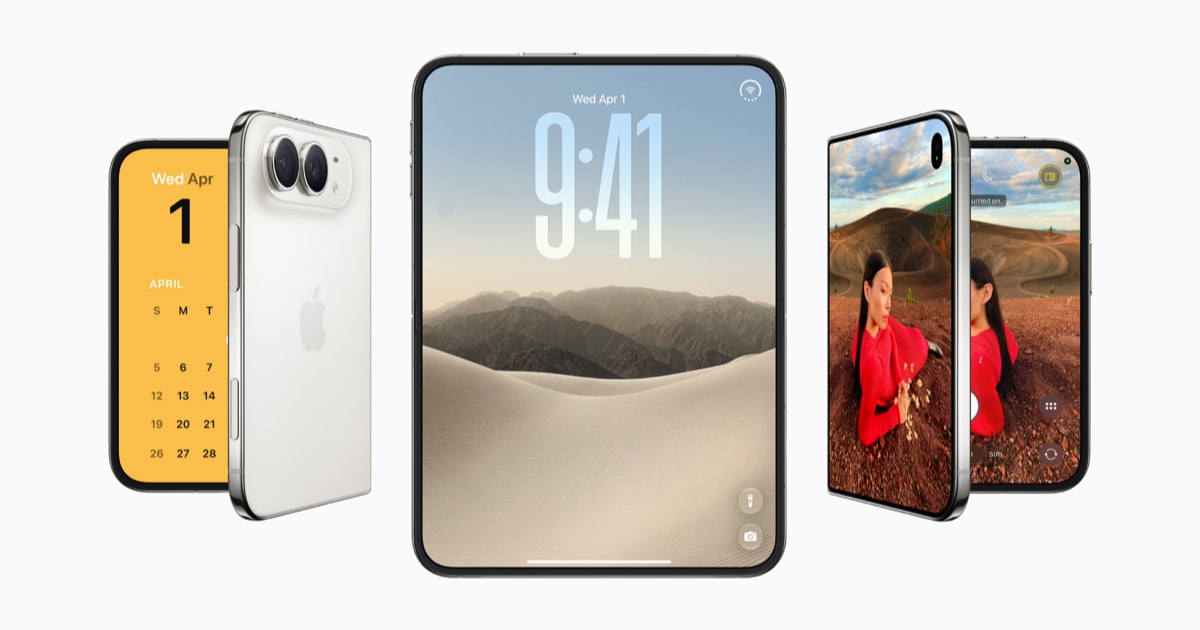
The Evolution of Smartphone Design and the Apple Duo Launch
The mobile technology landscape is undergoing one of its most radical shifts in over a decade. With the arrival of Apple's Duo phone, flexible displays and dual-screen form factors have fully entered mainstream consumer technology. For years, mobile manufacturers experimented with bendable OLED panels, complex hinge mechanisms, and adaptive software interfaces. Now, as major tech ecosystems align around multi-screen and foldable devices, millions of consumers are considering making the jump from traditional rigid glass slabs to foldable hardware.
However, adopting a folding smartphone requires a shift in how users handle, protect, and interact with their daily devices. Unlike traditional smartphones that feature a solid, tempered glass front face, folding phones rely on ultra-thin glass layers, flexible polymer films, and mechanical hinges with micro-gears. While modern engineering has made these components remarkably resilient compared to earlier generations, proper care and handling remain essential to ensure long-term durability.
Whether you are unboxing Apple's Duo phone or evaluating other flexible devices on the market, understanding the specific maintenance guidelines, operational practices, and handling precautions will help you get the most out of your investment while avoiding costly repairs. For context on where flexible devices sit in today's broader mobile market, check out our comprehensive guide to the best phones of 2026.
Understanding the Mechanics of Foldable Displays
To understand why specific care tips are necessary, it is helpful to examine how foldable screen technology operates. Traditional smartphones protect their display matrices behind thick, hardened cover glass. Foldable devices, by contrast, must bend thousands of times without cracking or delaminating. To achieve this, hardware engineers use ultra-thin glass combined with flexible protective coatings.
The central point of motion is the hinge assembly. This mechanical structure allows the device to open seamlessly while protecting internal ribbon cables and electronics from tension and debris. Because hinges contain moving mechanical parts and microscopic tolerances, they are inherently more susceptible to environmental factors like fine dust, sand, and liquid exposure than sealed static frames. Recognizing these physical properties is the first step toward adopting best practices that maintain both screen integrity and hinge longevity.
The Essential Dos of Folding Phone Ownership
Navigating the transition to a foldable or dual-screen device is easy once you establish effective daily habits. Below are the primary technical and operational guidelines every folding phone user should follow.
Do Keep the Display Clean with Soft Microfiber Cloths
Flexible screen layers are softer than standard tempered glass, making them slightly more susceptible to surface oil buildup and fine dust accumulation. Clean your display regularly using a dry, high-grade microfiber cloth. Avoid using harsh chemical cleaners, alcohol-based solutions, or abrasive paper towels, as these can strip away oleophobic coatings and potentially degrade flexible screen films over time.
Do Pay Attention to Pockets and Storage Environments
Before placing your folding phone in a pocket, bag, or purse, ensure that the display is closed completely. Furthermore, ensure that the storage compartment is free of small, abrasive items such as loose keys, coins, sand, or grit. Even tiny particles trapped inside a closed foldable screen can exert concentrated pressure on the flexible panel, resulting in localized display damage or micro-dents.
Do Embrace System Software and Multitasking Features
Foldable and dual-screen form factors excel at productivity and multi-app workflows. Take full advantage of split-screen layouts, drag-and-drop capabilities, and continuous app transitions between screens. Mobile operating systems are increasingly tailored to take advantage of expanded display geometry, as highlighted in recent updates across Apple's hardware ecosystem updates.
Do Use Protective Cases Specifically Designed for Foldables
Protecting a two-part hinged chassis requires tailored accessories. Choose protective cases that offer dedicated protection for both body sections without interfering with the hinge's folding arc or dust-repelling bristles. High-quality cases designed for folding devices offer reinforced corner drop protection while keeping the device trim and easy to hold.
Critical Don'ts to Avoid Expensive Damage
Because flexible displays rely on unique materials, common habits developed with standard glass smartphones can cause unintentional harm to a foldable device. Here are the crucial mistakes to avoid.
Don't Use Sharp Objects or Excessive Fingernail Pressure
Never press hard on a flexible display with sharp objects, pens, or fingernails. While ultra-thin glass layers provide structure, the protective top surface remains softer than traditional toughened cover glass. Use soft finger pads or officially approved, soft-tipped styluses designed specifically for flexible panels.
Don't Attempt to Peel Off Factory Screen Protectors
Many foldable smartphones come equipped with specialized, factory-applied protective film layers designed to distribute pressure across the bend radius. Attempting to peel off or replace this protective layer yourself can damage the underlying display matrix or void manufacturer warranties. If a screen protector becomes worn or bubbles form along the crease, consult official support channels for certified replacement procedures.
Don't Expose the Hinge to Fine Sand, Dust, or Liquids
Although modern water-resistance ratings have improved across foldable designs, fine particulates like beach sand, dry soil, or sawdust pose a distinct threat to internal hinge mechanisms. Particles trapped inside the hinge assembly can cause grinding noises, restrict screen movement, or puncture the rear display membrane. Keep your device sheltered in high-dust environments.
Don't Close the Device with Foreign Objects Trapped Inside
Always perform a quick visual sweep before snapping or folding your phone shut. Even minute objects—such as grain-sized crumbs, small paperclips, or debris—trapped between the two halves of the screen can cause display punctures when the device is fully closed and pressure is applied.
Real-World Use Cases and Workflow Benefits
Transitioning to a foldable device brings distinct practical advantages across daily workflows, personal organization, and content creation.
- Side-by-Side Productivity: Run communication apps alongside document editors or video conferencing windows without needing to switch between app cards continually.
- Hands-Free Camera Work: Position the device partially folded on a flat surface to take stable long-exposure shots, conduct video calls, or record footage without needing a tripod.
- Enhanced Media Consumption: Unfold the display for a tablet-like view while reading eBooks, reviewing spreadsheets, or watching widescreen videos on the go.
- Seamless Screen Continuity: Start reviewing quick notifications on an outer screen and open the device to immediately expand into full workspace mode without losing context.
Limitations, Potential Risks, and Long-Term Wear
While the utility of foldable devices is high, prospective buyers and new owners should stay informed regarding long-term wear characteristics and intrinsic limitations.
Crease Visibility and Surface Texture
Virtually all flexible screen devices feature a subtle crease along the folding axis. While advanced hinge designs minimize this indentation, it remains slightly visible under direct lighting and can be felt when sliding fingers across the center of the display. For most users, this becomes imperceptible during active media playback, but it remains a defining characteristic of flexible panel geometry.
Component Wear and Repair Costs
Mechanical hinges and flexible displays involve higher engineering complexity than fixed smartphone frames. Consequently, out-of-warranty screen replacements or structural repairs generally carry higher costs. Maintaining routine care habits and investing in adequate device protection plans helps mitigate these long-term ownership risks.
Future Outlook for Foldable Mobile Technology
The arrival of Apple's Duo phone underscores a broader movement toward flexible and dual-screen personal computing. As display glass chemistry advances, future iterations are expected to feature even tougher top layers, deeper dust resistance, and lighter mechanical hinges. Furthermore, continuous operating system updates will continue to refine how software dynamically adapts to bending display geometry, promising even smoother multitasking and improved energy efficiency across multi-screen form factors.
Conclusion
The release of Apple's Duo phone highlights the expanding popularity and maturation of folding phone technology. By combining large-screen productivity with compact physical dimensions, foldables offer a compelling computing experience. However, protecting your investment requires adopting sensible handling habits: keeping hinge mechanisms clear of fine debris, cleaning screen surfaces with microfiber cloths, avoiding sharp object contact, and keeping factory display films intact. By adhering to these practical dos and don'ts, you can ensure your flexible display delivers outstanding performance and long-term reliability.
Frequently Asked Questions (FAQ)
1. Is the crease on a folding phone screen permanent?
Yes, the central crease along the hinge axis is a natural physical outcome of bending a flexible screen surface thousands of times. While hinge designs minimize its depth, a subtle visible line and tactile dip are normal characteristics of current foldable display technology.
2. Can I use standard screen cleaning sprays on my folding phone?
It is best to avoid alcohol-based sprays, harsh glass cleaners, or chemical solvents. Use a dry, soft microfiber cloth to gently remove finger oils and dust from flexible screens without stripping protective coatings.
3. Should I remove the pre-installed screen protector on my folding screen?
No. Most flexible display devices feature a factory-calibrated protective layer that is essential for structural screen integrity. Removing this film yourself can cause display damage and void your warranty. Contact authorized service providers if replacement is needed.
4. Are folding phones fully waterproof and dustproof?
While many recent foldable models offer water resistance against liquid splatters or brief immersion, fine dust and sand remain potential risks due to the moving parts inside the hinge structure. Exercise caution in sandy or high-dust environments.
5. Can I use any regular stylus on a foldable display?
No. Standard hard-tipped styluses or pens can permanently indent or puncture a flexible display surface. Only use soft-tipped styluses specifically designated by the manufacturer as safe for flexible screen interfaces.